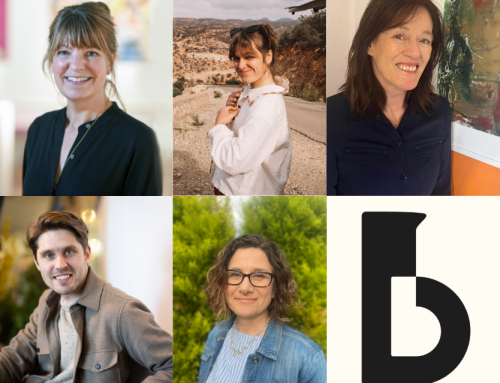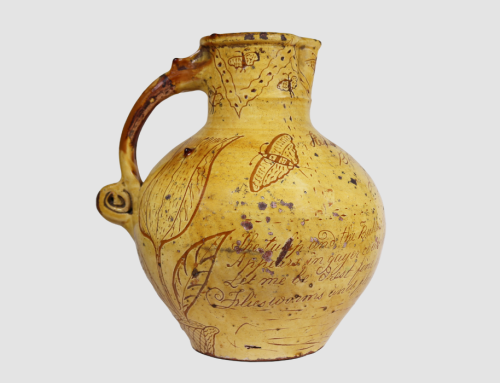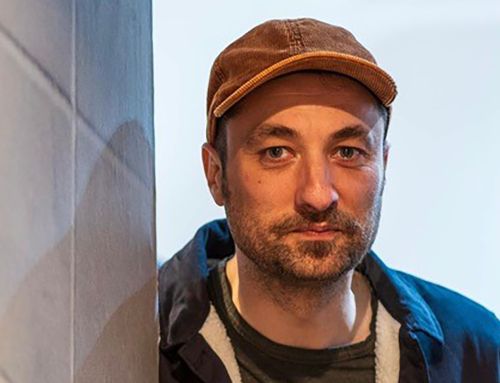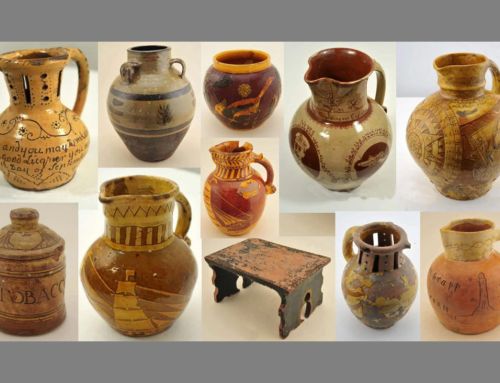
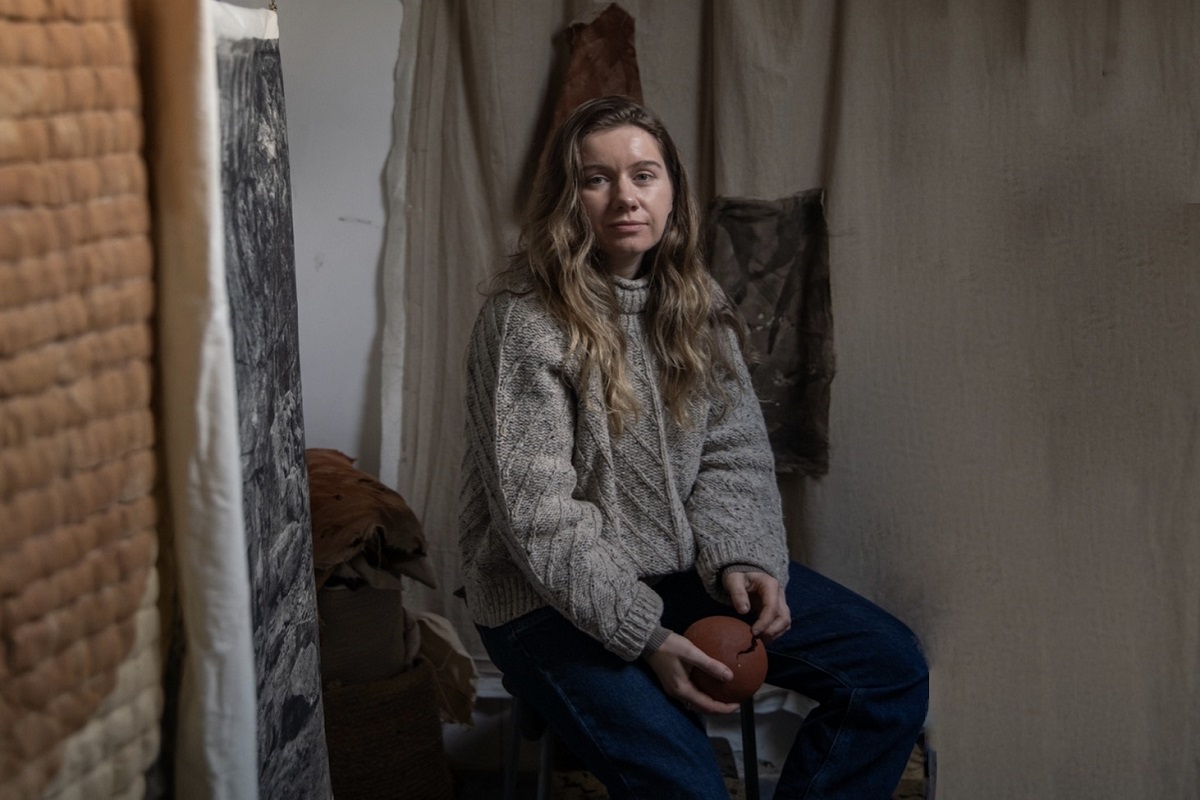
We are thrilled to announce Edie Evans as our Ceramics Residency 2025-26 artist. We very much look forward to working with Edie and seeing how her research with The Burton’s ceramics collection evolves over the next 6 months.
Artist Biography
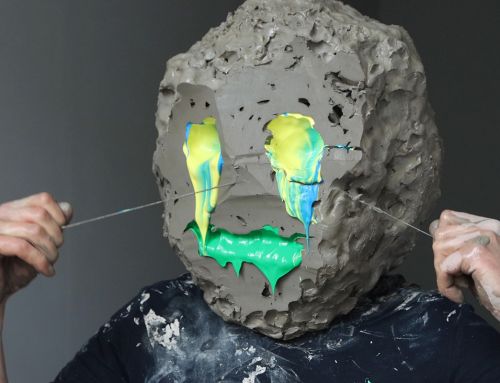
Edie Evans is a artist working at the intersection of ecology, neurodiversity, and materiality. She was the Freelands Studio Fellow at Swansea College of Art 2024-2025, and holds a Masters from Bath Spa School of Art (2023) and a BA (Hons) from Central Saint Martins, University of the Arts London (2018).
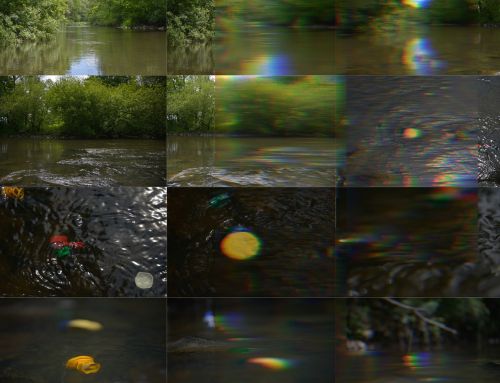
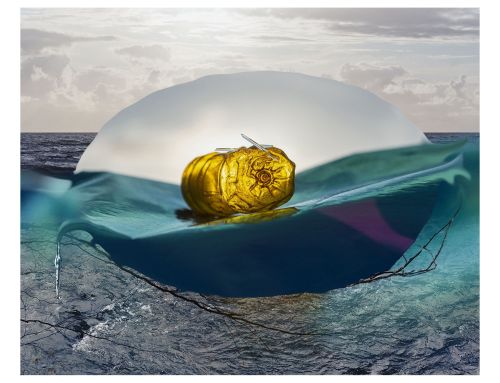
Recently recognised as Promising New Talent by the British Ceramic Biennial, Edie’s value-driven practice is rooted in sustainable, tactile processes that challenge traditional approaches to ceramic production. Her work moves beyond industrially processed materials, embracing found objects, foraged resources, and natural processes. As a neurodivergent artist, her embodied way of making is instinctive, slow, and deeply connected to place – often emerging through acts of walking, gathering, and intuitive transformation.
Central to her recent research is an exploration of sustainable alternatives to ceramics, specifically through earth-building methods and natural construction techniques. By working with raw earth, cob, and site-specific material combinations, Edie investigates how sculptural forms can emerge from environmentally responsible and regenerative making processes. This research challenges extractive systems within the ceramics industry and opens up new material narratives rooted in care, locality, and ecological reciprocity.
Her work reflects a circular understanding of provenance – treating materials not as inert substances but as holders of deep time, cultural memory, and environmental knowledge. This ongoing material dialogue extends to the stratigraphy of landscape, where layers of time, memory, and erosion are embedded within both earth and object. Her pieces serve as quiet testaments to the endurance and fragility of the natural world, while also functioning as records of lived experience and environmental interaction.
Edie’s work frequently include interactive and accessible elements, encouraging audience engagement through touch and sensory experience. Her work invites emotional connection and contemplation, creating space for shared reflection on our relationship with the environment and the possibilities of making differently. Beyond the gallery, teaching and community engagement are central to her practice. She facilitates inclusive workshops and learning environments that prioritise experimentation, accessibility, and care – often working outdoors and in non-traditional spaces to break down barriers to participation.